
 [NOTE: The following reports deal with Catholic, Anglican & Presbyterian internal divisions over homosexuality & same sex marriage, with particular reference to antigay laws in many African countries. While Quakers are not mentioned, these issues have been flash points for Friends in the region and in the USA.
There are more Friends in central Africa than anywhere else, with the largest groups in Kenya and Uganda. Quaker leaders in Kenya issued a public statement in 2012 strongly condemning homosexuality as being “worthy of death,” citing biblical passages. Ugandan laws are also draconian. (South Sudan has similar strongly repressive laws; the Democratic Republic of Congo bans some sex marriage, but has not outlawed same sex acts or trans people; however reports are that LGBTs are subject to widespread harassment and discrimination.). Also, American evangelical groups have been very active in Africa in advocacy and support of more repressive laws. This issue remains very much alive and unresolved among Quakers on both sides of the Atlantic, north and south.] Associated Press — February 6, 2023
Leaving Africa, Pope, Anglican, Presbyterian leaders denounce anti-gay laws
The three Christian leaders spoke on LGBTQ rights during an unprecedented joint airborne news conference Sunday.By Nicole Winfield
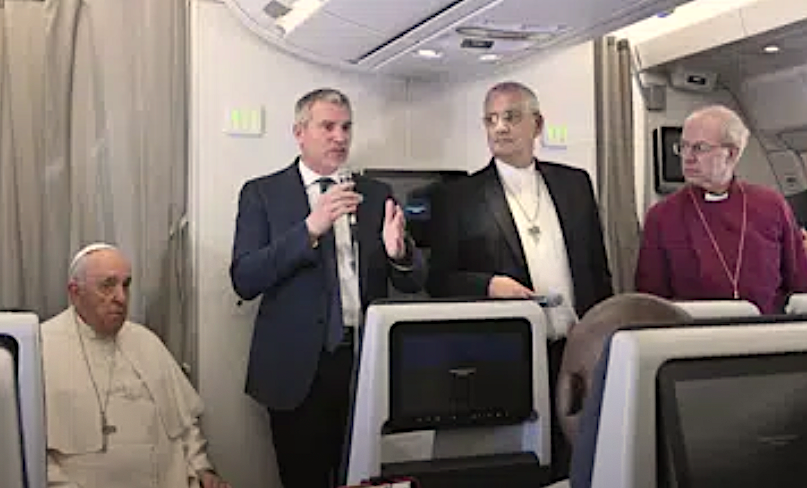
ABOARD THE PAPAL PLANE (AP) — Pope Francis was backed by the ceremonial head of the Anglican Communion and top Presbyterian minister in calling for gays to be welcomed by their churches as he again decried laws that criminalize homosexuality as unjust.
The three Christian leaders spoke on LGBTQ rights during an unprecedented joint airborne news conference Sunday while returning home from South Sudan, where they took part in a three-day ecumenical pilgrimage to try to nudge forward the young country’s peace process.
They were asked about Francis’ recent comments to The Associated Press, in which he declared that laws that criminalize gay people were “unjust” and that “being homosexual is not a crime.”
South Sudan is one of 67 countries that criminalizes homosexuality, 11 of them with the death penalty. LGBTQ advocates say even where such laws are not applied, they contribute to a climate of harassment, discrimination and violence.
During the news conference on the way back to Rome, Francis specifically didn’t repeat that “being homosexual is not a crime,” perhaps to not antagonize his South Sudanese hosts, who had originally objected to his comments to the AP.
“If he (Pope Francis) is coming here and he tells us that marriage of the same sex, homosexuality, is legal, we will say no,” Michael Makuei Lueth, South Sudan’s information minister, said after the pope’s AP interview and before his visit. [More on this response below.]
On Sunday, Francis referred to his Jan. 24 comments to the AP and repeated that such laws are “unjust.” He also repeated previous comments that parents should never throw their gay children out of the house.
“To condemn someone like this is a sin,” he said. “Criminalizing people with homosexual tendencies is an injustice.”
“People with homosexual tendencies are children of God. God Loves them. God accompanies them,” he added.
The Archbishop of Canterbury, Justin Welby, recalled that LGBTQ rights were very much on the agenda of the Church of England, and said he would quote the pope’s own words when the issue is discussed at the church’s upcoming General Synod.
“I wish I had spoken as eloquently and clearly as the pope. I entirely agree with every word he said,” Welby said.
Recently, the Church of England decided to allow blessings for same-sex civil marriages but said same-sex couples could not marry in its churches. The Vatican forbids both gay marriage and blessings for same-sex unions.
Welby told reporters that the issue of criminalization had been taken up at two previous Lambeth Conferences of the broader Anglican Communion, which includes churches in Africa and the Middle East where such anti-gay laws are most common and often enjoy support by conservative bishops.
The broader Lambeth Conference has come out twice opposing criminalization, “But it has not really changed many people’s minds,” Welby said.
Friction has been simmering within the global Anglican Communion for many years over its 42 provinces’ sharp differences on whether to recognize same-sex marriage and ordain LGBTQ clergy.
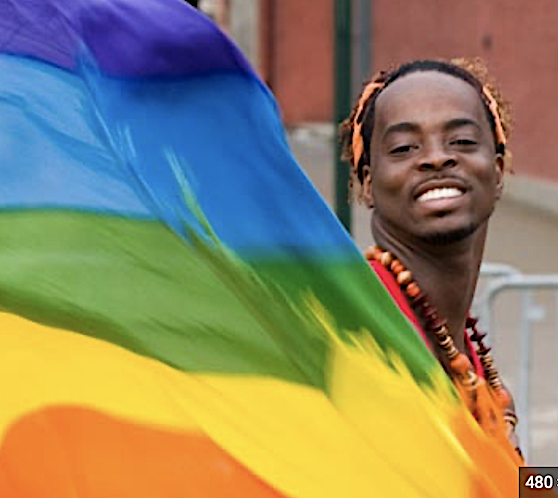 Welby has been caught in the middle as both the top bishop of the Church of England and the ceremonial leader of the Anglican Communion, which is one of the world’s largest Christian communities. Welby has acknowledged “deep disagreement” among the provinces over LGBTQ issues and has said neither the Lambeth Conference nor he individually has the authority to discipline a member province or impose demands on it.
The Rt. Rev. Iain Greenshields, the Presbyterian moderator of the Church of Scotland who also participated in the pilgrimage and news conference, offered an observation.
“There is nowhere in my reading of the four Gospels where I see Jesus turning anyone away,” he said. “There is nowhere in the four Gospels where I see anything other than Jesus expressing love to whomever he meets.
“And as Christians, that is the only expression that we can possibly give to any human being, in any circumstance.”
The Church of Scotland allows same-sex marriages.
Catholic teaching holds that gay people must be treated with dignity and respect, but that homosexual acts are “intrinsically disordered.”
Homosexuality: South Sudan Responds to the Pope

As the Pontiff visits South Sudan, Juba has reaffirmed its firmness against same-sex unions. A week earlier, Pope Francis spoke out against the criminalization of same-sex relationships, acknowledging, however, that it is a “sin” under Church teaching.
There is also a specific Roman document on this subject, published under John Paul II. On June 3, 2003, the Congregation for the Doctrine of the Faith published “Considerations on the projects for the legal recognition of unions between homosexual persons,” signed by Cardinal Joseph Ratzinger (later Pope Benedict XVI). The conclusion (#11) says this:
“The Church teaches that respect for homosexual persons can in no way lead to approval of homosexual behavior or legal recognition of homosexual unions. The common good demands that the laws recognize, promote and protect the matrimonial union as the basis of the family, the primordial cell of society.”
“Legally recognizing same-sex unions or equating them with marriage would mean not only approving deviant behavior, and therefore making it a model in today’s society, but also masking fundamental values that belong to the common heritage of humanity. The Church cannot fail to defend such values for the good of men and of all of society.”
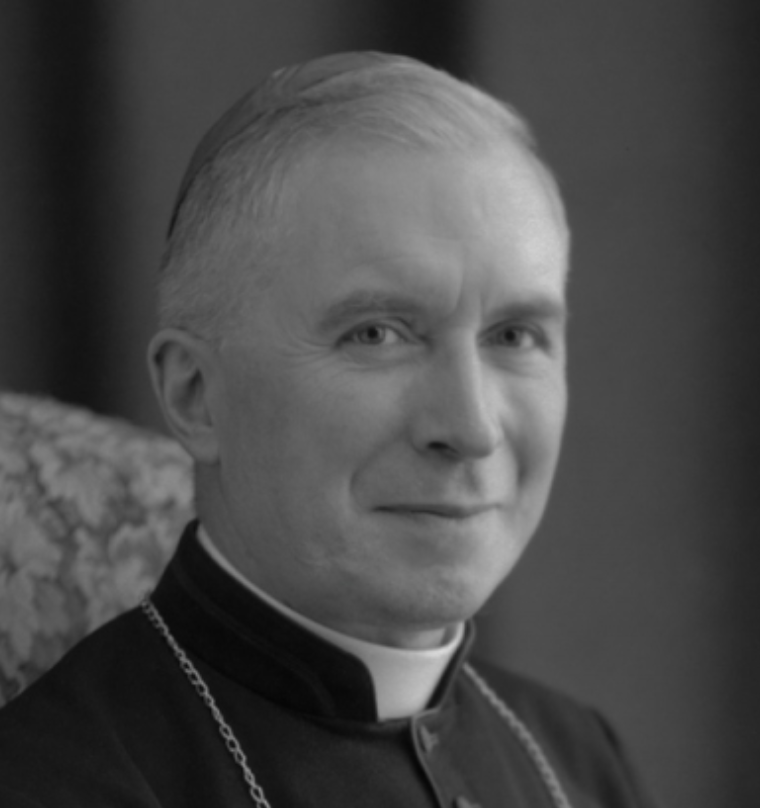
[NOTE: The above report is from FSSPX News, which is the organ of an extremely conservative breakaway group of Catholics, the Society of St. Pius X. The group was founded by the late Archbishop Marcel Lefebvre, whose open resistance to change in the church surfaced at the Second Vatican Council in 1962. His official biography puts it this way: