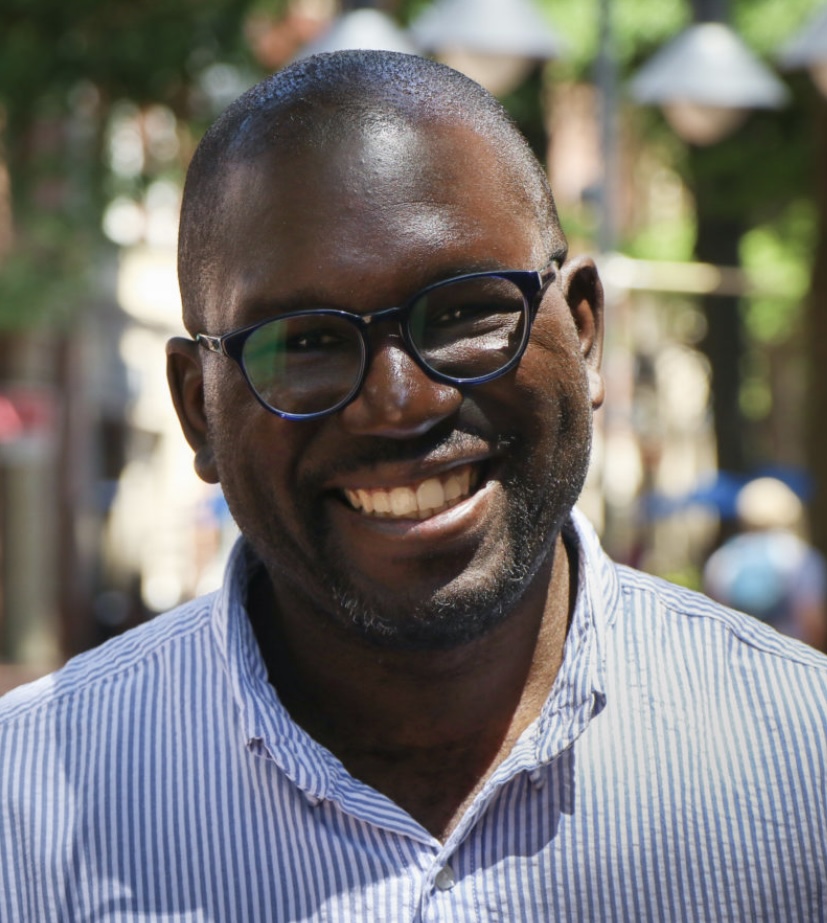
Jamelle Bouie is rapidly emerging as one of the more acute and important members of the rising generation of New York Times columnists. His career has followed a different track than previous generations of Timesmen, among whom almost all roads to the paper led through Harvard Yard.
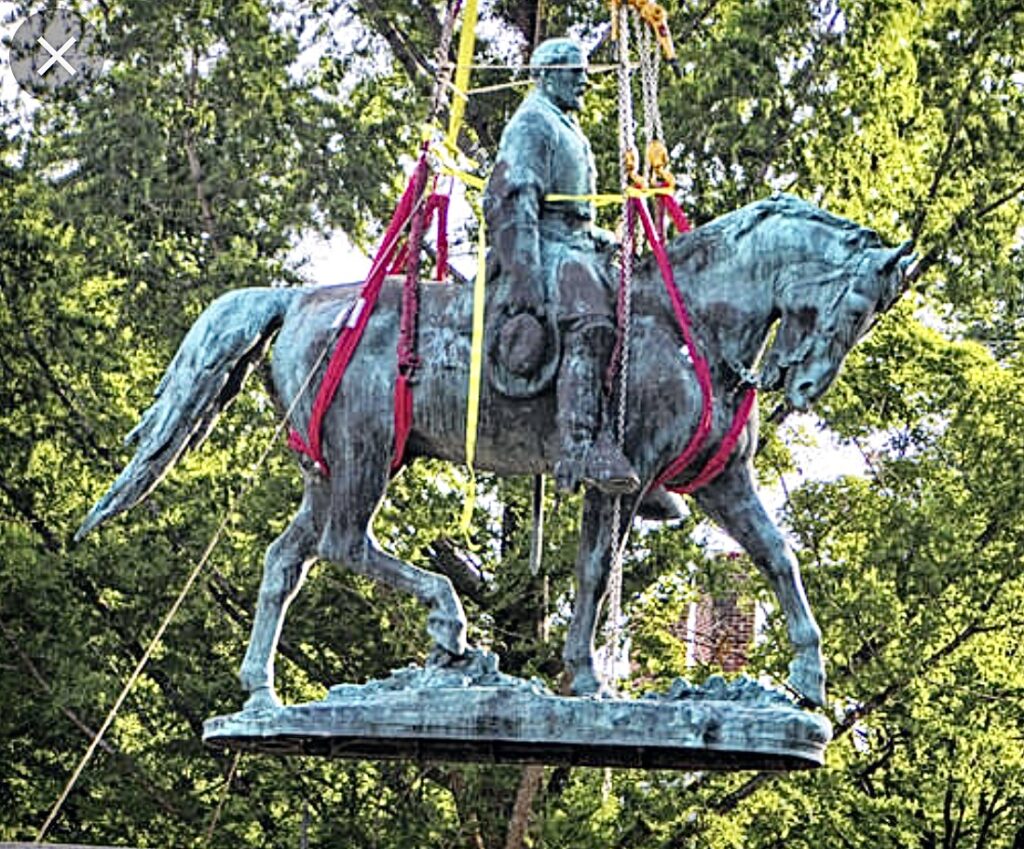
Instead, after the University of Virginia, Bouie blogged his way into and through The Nation, The American Prospect, The Daily Beast, and Slate. And after a stint in Washington, he left the Beltway to make a home back in Charlottesville. There he caught the last stand of one of the larger statues of Robert E. Lee, and its removal from a downtown park. It was a dramatic departure, but the resistance to it, as Bouie makes clear, is far from over.
The view of America he shares from this perch next door to his alma mater and well inside the not-quite-but-pretty-Deep South is repeatedly trenchant and revealing and feels prescient.
In the excerpts here he combines alarm and historical depth to sum up the arc of my public life, and the gloomy prospects that beset its denouement, building from a question provoked by an unguarded moment when a reactionary Senator spilled the beans about the American right’s larger agenda:
How Are We Still Debating Interracial Marriage in 2022?
Bouie: Before the emergence of the postwar civil rights movement and its legal and political arm, the scope of your rights varied from state to state.
This was most acute for Black Americans, who became second-class citizens upon entering the states of the former Confederacy, but it was true across a range of issues for a large number of Americans. The extent of your voting rights, of your privacy rights, of whether you could marry or obtain an abortion, of whether you were counted equally for the purposes of representation varied depending on where you lived in the country.
A 1924 postcard version of the unveiling of the big Lee statue in downtown Charlottesville, Virginia. And yes, the rows of white are Ku Klux Klansmen in full regalia.
To the degree that this was “freedom,” it was the freedom to dominate, exercised by people at or near the top of our various overlapping hierarchies. . . .The decentralization of rights gave local bullies the space to thrive.
The rights revolution weakened and unraveled this state of affairs. The effect of the Voting Rights Act, for example, was twofold. It democratized political power in the South, and it undermined the hierarchical social relations of Jim Crow. . . .
With that in mind, one way to understand the agenda of much of the modern Republican Party — from its crusade against Roe v. Wade and its attacks on the Voting Rights Act to the frantic efforts of some Republican-controlled states to stigmatize sexual minorities — is that it is an attempt to make rights contingent again.
If successful, Republicans would effectively handcuff the federal government’s ability, either through legislation or through the courts, to establish and maintain that universal baseline for civil and political rights. And it would mean a return to the world as it was when the standard-bearers for hierarchy — whether of race or of gender or of class — had much freer rein to dominate as they saw fit.
. . . And as Republican-led states ban abortion, ban books, restrict the teaching of America’s racial history in schools and trample on the rights of transgender people, this will only get worse.
. . . The world [they] are working toward is one in which the national government defers the question of civil and political rights to the states. And it is in the states, free from federal oversight, where [they] can exercise real control over what you might do, how you might live and who you might love. It’s freedom for some and obedience for the rest.
Lee’s statue in Chatlottesville was removed in July 2021
Related
One thought on “The Impending, Ominous Return of “States Rights””
Jamelle Bouie for analysis and Heather Cox Richardson for historical context are two of my current favorites.



Jamelle Bouie for analysis and Heather Cox Richardson for historical context are two of my current favorites.